
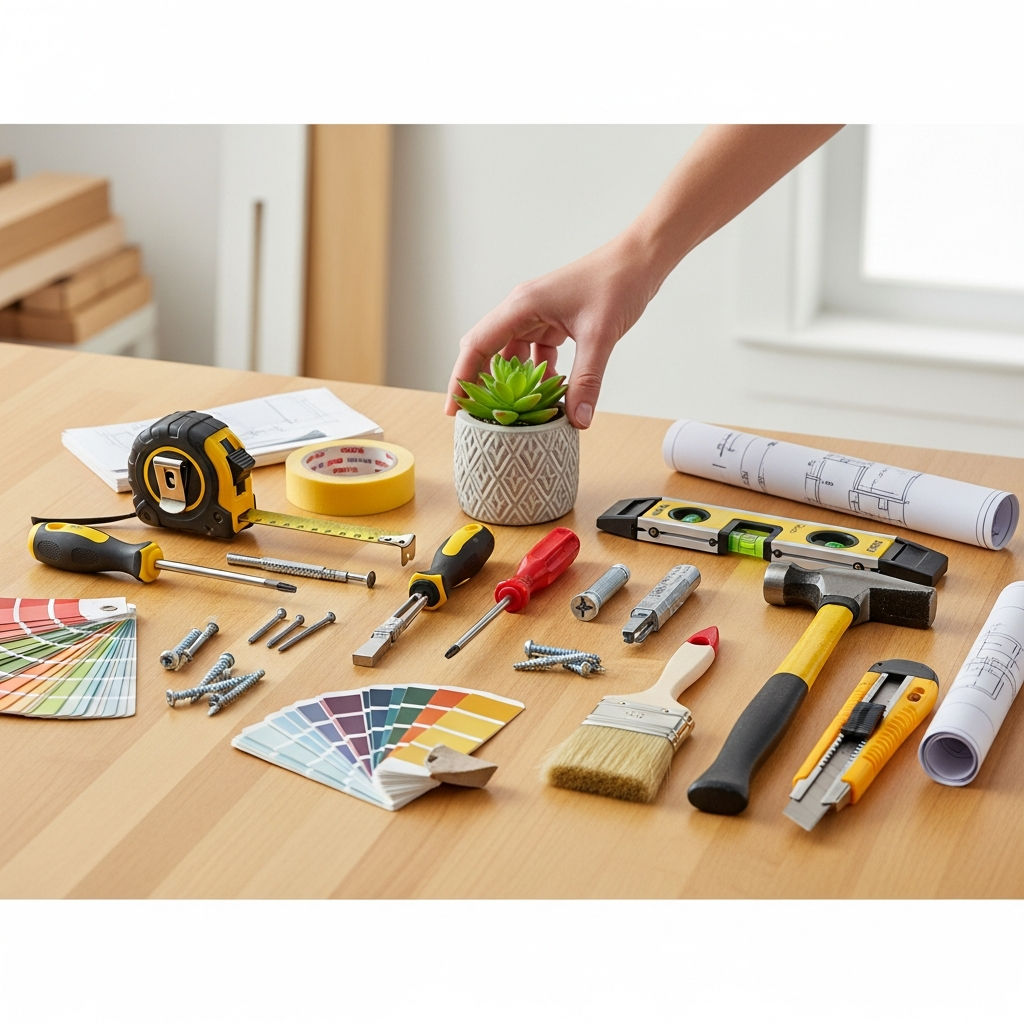
22 Hidden Tips to Improve Your Home Improvement Projects
Home improvement is more than just swinging a hammer or picking out a new paint color. It is an investment in your comfort, your lifestyle, and your property’s market value. However, many homeowners fall into the trap of thinking that meaningful changes require a massive budget or a professional contractor on speed dial. The truth is that some of the most impactful transformations come from subtle, “hidden” strategies that the pros use to save time and money.
Whether you are preparing to sell or simply want to fall in love with your living space again, these 22 hidden tips will help you navigate your next project with confidence and precision. From psychological design tricks to budget-saving hacks, here is how to elevate your home improvement game.
1. The “10% Buffer” Rule
One of the most overlooked aspects of home improvement is the financial “surprise.” No matter how well you plan, unexpected issues like leaky pipes or outdated wiring will arise. Always set aside an additional 10% to 15% of your total budget for these hidden costs. Having this “safety net” prevents project stalls and reduces stress when the unexpected occurs.
2. Test Paint Samples on Multiple Walls
Never pick a paint color based on a small swatch in the store. Light changes throughout the day and reacts differently to northern versus southern exposure. Paint a large square on at least two different walls in the room and observe it in the morning, afternoon, and under artificial light at night before making your final choice.
3. Use Grout Pens for an Instant Refresh
If your bathroom or kitchen tiles look dingy, you might not need a full renovation. Over time, grout becomes stained and discolored. A grout pen is a cheap, hidden secret that allows you to “re-color” the grout lines, making the entire floor or backsplash look brand new in under an hour.
4. Focus on “High-Touch” Surfaces
When budgeting, spend more on things you touch every day. This includes doorknobs, cabinet handles, light switches, and faucets. High-quality hardware provides a tactile sense of luxury that makes the entire home feel more expensive, even if the cabinets or doors themselves are standard grade.
5. The Power of “Up-Lighting”
Most homeowners focus on overhead lighting, which can often feel harsh. Hidden LED strips on top of kitchen cabinets or behind a headboard create “up-lighting” that bounces off the ceiling. This softens the room’s ambiance and creates a sophisticated, high-end look without the need for expensive fixtures.
6. Don’t Overlook the “Fifth Wall”
The ceiling is often the most neglected part of a room. Painting the ceiling a very light shade of a contrasting color or adding subtle crown molding can make a room feel taller and more architecturally interesting. A fresh coat of “ceiling white” can also brighten a room more than you’d expect.
7. Use Mirrors to “Double” Your Space
This is a classic interior design secret. Placing a large mirror opposite a window reflects the outdoor view and doubles the amount of natural light entering the room. This makes small, cramped spaces feel airy and expansive.
8. Master the Art of “Caulking”
Air leaks around windows and baseboards make a home feel drafty and unfinished. Learning to apply a clean, smooth bead of caulk is a DIY skill that pays off. It seals out moisture, improves energy efficiency, and provides a professional, “seamless” look to your trim work.
9. Update Your House Numbers
Curb appeal starts at the street. If you have old, weathered house numbers, replace them with modern, high-contrast digits. It’s a tiny investment that immediately signals to visitors (and potential buyers) that the home is well-maintained and stylish.
10. Prioritize Storage Over Aesthetics
A beautiful room is ruined by clutter. When planning a renovation, always look for “hidden” storage opportunities. This could mean built-in shelving under the stairs, a window seat with a lift-up lid, or kitchen cabinets that go all the way to the ceiling. Hidden storage keeps your home looking like a showroom.
11. Shop at Architectural Salvage Yards
If you want unique character without the custom price tag, visit salvage yards. You can find vintage doors, reclaimed wood, and antique hardware that add a story to your home. These items often have better craftsmanship than modern big-box store equivalents.

12. The “Rule of Three” for Decorating
When styling shelves or coffee tables, group items in odd numbers—specifically threes. Items grouped in odd numbers are more visually appealing and memorable than even-numbered groupings. Vary the heights of the objects to create a sense of balance and flow.
13. Deep Clean Your Siding
Before you decide to repaint your house, try power washing it. Often, “faded” paint is actually just covered in a layer of dust, pollen, and mildew. A professional-grade cleaning can restore the vibrancy of your siding and save you thousands in unnecessary painting costs.
14. Switch to Smart Switches
You don’t need to rewire your entire home to make it “smart.” Replacing standard light switches with smart dimmers allows you to control the mood of your home via your phone or voice. It’s a modern upgrade that adds a layer of convenience and luxury for a relatively low cost.
15. Use Rugs to Define Zones
In open-concept homes, rooms can feel disjointed. Use area rugs to “anchor” different zones, such as the dining area and the living area. Ensure the rug is large enough that all furniture legs (or at least the front legs) sit on the rug to create a cohesive look.
16. Refresh Cabinets with Paint
Kitchen renovations are the most expensive home improvement project. If your cabinets are structurally sound but ugly, don’t replace them—paint them. Using a high-quality cabinet enamel paint can give you a “factory-finish” look for a fraction of the cost of new cabinetry.
17. Focus on Scent and Air Quality
A home improvement that people often forget is the invisible one: air quality. Replacing old air filters and using high-quality air purifiers or natural essential oil diffusers improves the “feel” of a home. A house that smells fresh feels cleaner and more inviting.
18. Landscaping with Mulch
If your garden looks messy, the quickest fix is a fresh layer of dark mulch. It suppresses weeds, retains moisture for your plants, and provides a clean, uniform backdrop that makes your greenery “pop.” It’s the “instant makeover” for the exterior of your home.
19. Check the “Scale” of Your Furniture
Many homeowners choose furniture that is either too large or too small for their space. Before buying new pieces, use painter’s tape to “draw” the dimensions of the furniture on your floor. This helps you visualize the flow of the room and prevents you from making expensive mistakes.
20. Upgrade Your Front Door Hardware
Your front door is the focal point of your home’s exterior. Replacing a flimsy, dated handle with a heavy-duty, modern handleset creates a sense of security and quality before anyone even steps inside.
21. Install a Backsplash Yourself
A kitchen backsplash is a small surface area that makes a massive visual impact. With the advent of “peel-and-stick” real stone or glass tiles, this is a project almost anyone can do in a weekend. It adds color, texture, and value without the need for a professional tiler.
22. The “Walk-Through” Inspection
Once you think a project is finished, leave the house for an hour and then walk back in as if you are a guest. Look at the corners, the transitions between flooring, and the alignment of pictures. This “fresh eyes” approach helps you spot small details that need a final touch-up to make the project truly perfect.
Conclusion
Improving your home doesn’t require a miracle; it requires a strategy. By implementing these 22 hidden tips, you can avoid common pitfalls and achieve a professional finish on a DIY budget. Remember that the best home improvements are those that balance aesthetics with functionality. Start small, plan carefully, and focus on the details that truly matter. Your home is your sanctuary—treat it with the care and creativity it deserves.


