
What exactly is Elastomeric Waterproofing?
Defining the Basics: The Science Behind Elastomeric Coatings
Elastomeric waterproofing is a cutting-edge solution in the realm of construction and building protection. It consists of polymer-based coatings that offer a unique blend of elasticity, durability, and waterproofing capabilities. These coatings are primarily made from elastomers, a type of polymer that exhibits significant elasticity, which allows them to stretch and adhere to various surfaces without cracking. The technological advancements in the production of elastomeric materials have paved the way for a product that not only retains its properties under stress but also forms a seamless barrier against water ingress. These characteristics make elastomeric waterproofing an ideal choice for roofing, foundations, and other areas that are particularly vulnerable to water damage.
The Evolution of Waterproofing: A Brief History
Waterproofing has been a concern for builders and architects for centuries, dating back to ancient civilizations. The early use of tar and natural oils provided basic protection against moisture; however, these methods had significant limitations in terms of longevity and effectiveness. The introduction of synthetic materials in the 20th century marked a significant turning point, leading to the development of more advanced waterproofing solutions. As industries began to demand more robust and versatile options, elastomeric coatings emerged in the late 20th century, representing the latest evolution in waterproofing technology. This advancement has not only changed the materials used for protecting structures but also how we approach design and construction in relation to water resistance.
How Does It Work? Understanding the Mechanism of Elastomeric Materials
The mechanism of elastomeric waterproofing revolves around its molecular structure and the physical properties it imparts. Elastomers, when applied as a coating, create a continuous and flexible membrane that adheres to underlying surfaces effectively. They work by employing a balance of tensile strength and extensibility, which allows them to accommodate movement and structural shifts. This is particularly important in regions subject to temperature fluctuations and shifting foundations, where conventional waterproofing materials might crack. Additionally, elastomeric materials can repel water while remaining permeable enough to allow moisture vapor to escape, reducing the risk of mold and structural damage. This combination of properties makes elastomeric coatings one of the most reliable solutions for modern waterproofing challenges.
Why Choose Elastomeric Waterproofing? The Benefits You Can’t Ignore
Long-Lasting Protection: How Elastomeric Coatings Stand the Test of Time
One of the most compelling reasons to choose elastomeric waterproofing is its remarkable longevity and durability. Unlike traditional waterproofing methods that might require frequent reapplication or maintenance, elastomeric coatings are engineered to withstand harsh environmental conditions, including UV radiation, extreme temperatures, and heavy rainfall. This longevity is attributed to their inherent resilience and molecular structure, which resists degradation over time. Furthermore, many elastomeric products come with warranties that can last up to 10 or 20 years, providing peace of mind to homeowners and builders alike. This level of confidence not only enhances the lifecycle of the structure but also significantly reduces maintenance costs in the long run, making elastomeric waterproofing a wise investment.
Flexibility and Resilience: The Unique Properties of Elastomers
The flexibility inherent in elastomeric materials is unparalleled in the waterproofing industry. This flexibility allows elastomeric coatings to bend and stretch with the building materials as they expand and contract due to thermal changes, thereby mitigating the risk of cracks and leaks that can occur with rigid waterproofing systems. The resilient nature of these coatings enables them to recover from deformation, maintaining their protective properties and ensuring the structure remains sealed against water intrusion. This feature is especially beneficial in areas prone to seismic activities, where buildings may experience movement and flexing. The combination of flexibility and resilience essentially prolongs the integrity of whatever it is protecting, whether that is a roof, façade, or deck.
Eco-Friendly Alternatives: Sustainability in Waterproofing Solutions
As environmental consciousness continues to rise, many builders and homeowners are keen on sourcing eco-friendly options. Elastomeric waterproofing has seen developments in sustainable manufacturing processes, including the use of recycled materials and lower-VOC (volatile organic compounds) formulations. This progress means that elastomeric coatings can deliver top-tier performance without contributing significantly to environmental degradation. These coatings can also improve energy efficiency in structures by reflecting significant amounts of solar radiation, thereby reducing cooling costs and enhancing occupant comfort. In choosing elastomeric waterproofing solutions, consumers not only protect their investments but also support sustainable practices in the construction industry.
Application Areas for Elastomeric Waterproofing: Where It Shines
Residential Uses: Elevating Your Home’s Defense Against Water Damage
In residential settings, elastomeric waterproofing has gained immense popularity due to its outstanding performance in protecting homes from water damage. Homeowners often use it on roofs, patios, and basements, as these areas are prone to moisture accumulation. For instance, flat roofs, which are more susceptible to pooling water, benefit greatly from the elasticity of elastomeric coatings, which helps prevent leaks and promotes drainage. Furthermore, residents living in flood-prone areas find elastomeric waterproofing particularly effective in safeguarding their foundations. By applying a protective coat over vulnerable areas, homeowners can significantly increase their property’s resale value and longevity, as well as ensure a safe and dry living environment.
Commercial Applications: Protecting Infrastructure with Elite Solutions
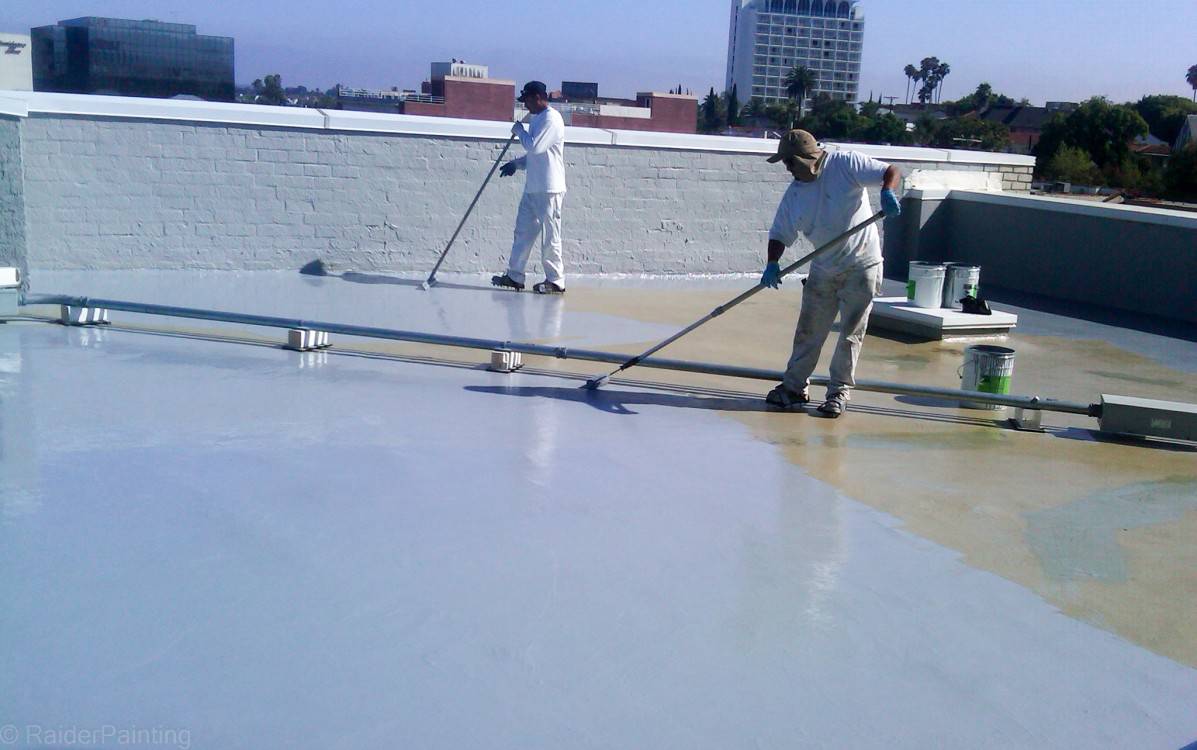
Commercial buildings, such as office complexes, malls, and industrial facilities, face various challenges concerning waterproofing due to larger surface areas and more complex architectures. The versatility of elastomeric coatings makes them ideal for these applications. They can be seamlessly applied to rooftops, parking structures, and exterior walls, providing a barrier against rain, snow, and ice. Moreover, elastomeric waterproofing systems can be tailored to meet specific performance criteria, such as fire resistance or enhanced UV stability. The choice of elastomeric solutions in commercial construction not only ensures compliance with industry standards but also enhances the overall aesthetic appeal of the structure while minimizing the risk of costly water infiltration.
Creative Uses: Unconventional but Effective Elastomeric Strategies
Beyond the common applications, elastomeric waterproofing exhibits remarkable flexibility that allows for creative solutions in unique scenarios. For example, artists and designers have taken to incorporating elastomeric coatings into elaborate architectural designs, where aesthetics meet functionality. The use of colorful elastomeric coatings can transform surfaces into vibrant artwork while providing the necessary waterproofing protection. Additionally, elastomeric materials have been employed in civil engineering projects, such as bridges and tunnels, where their ability to withstand extreme conditions while offering waterproofing security becomes crucial. This adaptability not only broadens the scope of where elastomeric waterproofing can be utilized but also inspires innovative approaches to design and structure.
The Installation Process: Making it Work for You
Pre-Installation Preparations: Setting the Stage for Success
Successful installation of elastomeric waterproofing begins with thorough preparation. The surface to which the elastomeric coating will be applied must be clean, dry, and free from any contaminants, such as dust, grease, or previous coatings. This often involves pressure washing and possibly using a primer to promote better adhesion. Ensuring that any cracks or damages present on the surface are repaired beforehand is also critical; otherwise, moisture may penetrate these weak points, undermining the effectiveness of the waterproofing system. Additionally, assessing the environmental conditions prior to application is key—in ideal scenarios, temperatures should be between 50°F and 85°F for the best results.
Step-by-Step Guide to Application: DIY or Call in the Experts?
The application of elastomeric waterproofing can be approached as a DIY project or executed by professionals, depending on the complexity and scale of the job. For the DIY enthusiast, the process generally involves the following steps:
- Gather the Right Tools: Necessary tools include a roller or sprayer for application, brushes for detailed areas, and the required protective gear.
- Preparation of the Surface: Ensure the application area is free from dirt and contaminants, as aforementioned.
- Mix the Coating: Many elastomeric products require mixing. Follow the manufacturer’s guidelines meticulously.
- Application: Applying the first coat evenly, allowing it to cure per instructions before applying additional coats, typically two or three are suggested for optimal protection.
- Inspection and Touch-Ups: After the final coat has dried, conduct a thorough inspection for any missed spots or inconsistencies.
In cases where the project is expansive or complex, it may be worthwhile to hire professionals. Experienced contractors bring a wealth of expertise, ensuring that the right products are used and that the application adheres to industry best practices.
Maintenance Tips: Keeping Your Waterproofing System in Top Shape
To maximize the life of your elastomeric waterproofing system, regular maintenance is crucial. These tips will help you maintain it effectively:
- Regular Inspections: Conduct thorough inspections every six months, specifically checking for any signs of wear, damage, or peeling. Early detection of issues will allow for timely repairs and maintenance.
- Cleaning: Clean the surface periodically to remove debris, dirt, and organic growth such as moss or mold that can compromise the integrity of the coating.
- Repairs: Address issues such as cracks or punctures promptly. Depending on the severity, a simple patch or a fresh coat may suffice.
- Monitor Environmental Conditions: Be mindful of environmental changes that may affect the waterproofing performance. In areas experiencing extreme weather conditions, more frequent inspections may be necessary.
By following these guidelines, homeowners and property managers can ensure that their elastomeric waterproofing investment continues to provide robust protection against water damage over the long term.